












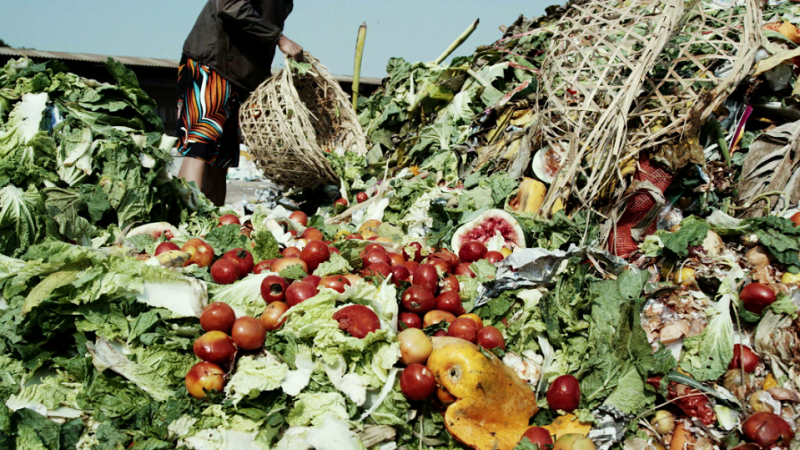
Nigeria risks a severe food crisis in 2026 as farmers across key regions—particularly North-Central and North-West states like Niger, Nasarawa, Kogi, and Kaduna—threaten to exit agriculture due to escalating production costs, insecurity, and massive post-harvest losses. Soaring prices for essential inputs such as fertilizer, fuel, and labor have rendered farming increasingly unprofitable, pushing many small- and medium-scale farmers to consider leaving the sector.
The United Nations Food and Agriculture Organization (FAO) projects that about 34.7 million Nigerians could face acute food insecurity during the next lean season from June to August 2026 if timely and coordinated interventions are not implemented. Factors driving this crisis include insecurity from conflicts and banditry restricting access to farmlands, climate shocks, displacement, and the adverse impact of food imports on local production.
Experts warn that without government action focused on subsidizing inputs, improving credit access, enhancing rural security, and supporting farmers, Nigeria could face one of its worst food shortages in recent memory, further exacerbating inflation and poverty levels.
Farmers have emphasized their commitment to feeding the nation but stressed the urgent need for real government support beyond promises to prevent a collapse in agricultural productivity. Immediate multi-sectoral efforts are essential to stabilize food production and avert widespread hunger in 2026.